How to Stay Alert and Energized on Night Shift
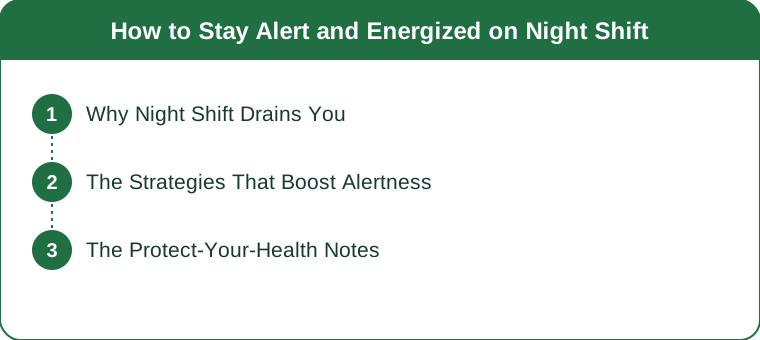
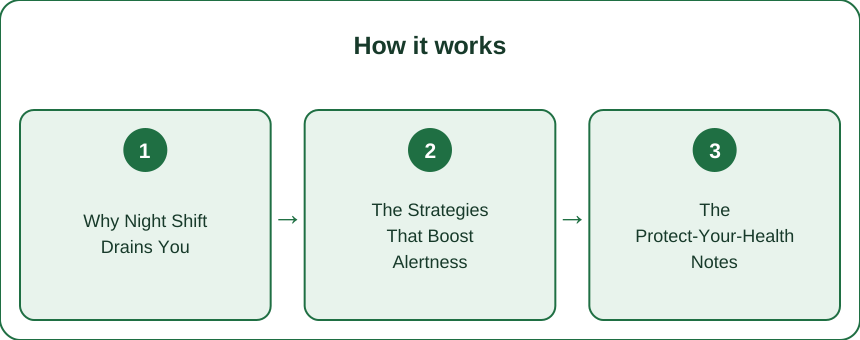
Working against your body clock is genuinely hard — night shift fights your natural drive to sleep, leaving you foggy and drained. But smart strategies around light, food, movement and caffeine can keep you alert on shift and protect your health. Here is why night shift drains you, what boosts alertness, and how to look after yourself.

Why Night Shift Drains You
Working against the clock: the the-circadian-mismatch (the your body clock driving sleep at night, so you work against your biology from the sleep logic — the the-clock-fight), the the-sleep-debt (the daytime sleep often being shorter and lighter, building a deficit from the sleep logic — the the-sleep-deficit), the the-alertness-dip (the the natural low-point in the early hours hitting hardest — the the-3am-slump), the the-light-confusion (the light and dark signals being backwards for your schedule from the light-energy logic — the the-mixed-signals), the the-eating-off-cycle (the eating at odd hours disrupting energy and digestion from the nutrition logic — the the-off-cycle-eating), and the reframe (the night-shift drain as a body-clock mismatch — managed with strategic light, sleep, food and movement, not just powered through).

The Strategies That Boost Alertness
Staying sharp on shift: the the-bright-light-on-shift (the bright light during work to promote alertness from the light-energy logic — the light-signals-awake), the the-strategic-caffeine (the caffeine early in the shift, not late, to avoid wrecking day sleep from the sleep logic — the the-timed-caffeine), the the-move-to-wake-up (the movement and quick activity to fight the slump from the exercise logic — the move-through-the-dip), the the-smart-snacking (the balanced protein-and-fiber snacks over sugar crashes from the nutrition logic — the steady-fuel), the the-hydrate (the staying hydrated to avoid fatigue — the water-matters), the the-a-nap-before-shift (the a nap before work to reduce the deficit from the sleep logic — the pre-load-rest), the the-cool-and-engaged (the a cooler, engaged environment fighting drowsiness — the stay-stimulated), and the the-the-worst-hours-plan (the extra strategies for the early-morning low point — the plan-the-slump).
The Protect-Your-Health Notes
Looking after yourself long-term: the the-protect-day-sleep (the a dark, cool, quiet sleep setup for quality day sleep from the sleep logic — the the-sleep-sanctuary), the the-consistent-schedule (the as-consistent-as-possible timing to help the body adapt from the rotating-shift logic — the routine-helps), the the-eat-well-off-cycle (the balanced meals and mindful timing on nights from the nutrition logic — the eat-strategically), the the-move-regularly (the fitting in exercise around shifts from the exercise logic — the stay-active), the the-manage-caffeine-and-alcohol (the limiting late caffeine and using alcohol carefully from the sleep logic — the the-substances-factor), the the-protect-relationships-and-mood (the guarding time and connection from the family-life logic — the the-life-balance), and the frame (the night-shift alertness as strategic light, timed caffeine, movement and smart snacks on shift, plus protected day sleep and consistent habits — alert on shift and healthier long-term. Use bright light and early caffeine, move through the slump, snack smart, and above all protect your daytime sleep).
Working against your body clock is genuinely hard — night shift fights your natural drive to sleep, leaving you foggy. It drains you because of the circadian mismatch, shorter lighter day sleep building a deficit, the natural early-hours alertness dip, backwards light signals, and off-cycle eating. Boost alertness with bright light during work, caffeine early in the shift (not late), movement to fight the slump, balanced protein-and-fiber snacks over sugar, hydration, a nap before shift, and a plan for the worst early-morning hours. Protect your health long-term by making your day sleep dark, cool and quiet, keeping as consistent a schedule as possible, eating well off-cycle, moving regularly, managing caffeine and alcohol, and guarding your relationships and mood. Alert on shift and healthier long-term.
Keep Reading
This article is for general informational purposes only and is not medical advice. Always consult a qualified health professional for guidance specific to you.